Pillar 4: Ecological Education, Public Awareness and Sustainable Development
🏫 Knowledge Transfer to Future Generations
Educational projects, ecology camps and public awareness campaigns:
- 📌 DIRECTION 1: Workshops and Programs for Schools and Universities
- 📌 DIRECTION 2: Public Awareness Campaigns on Endangered Species
- 📌 DIRECTION 3: Promoting Ecotourism and Sustainable Local Traditions
- 📌 DIRECTION 4: Environmental Volunteering and Direct Citizen Involvement (Citizen Science)
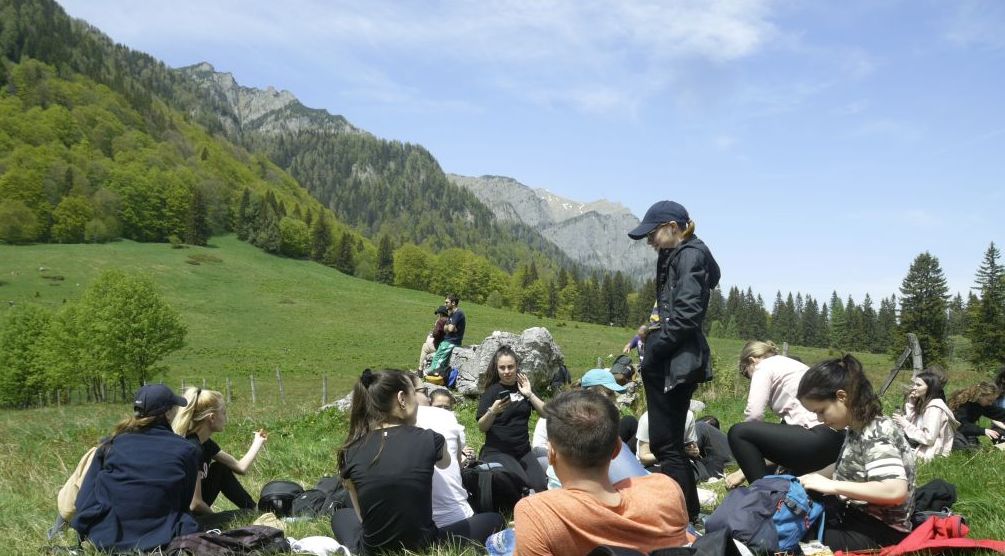
Credit: SEAquaterra Youth and Awareness Programs
Environmental Education and Sustainable Development of River Communities
🔍 Changing Mindsets Through Applied Education
Nature protection cannot stop inside research laboratories. It only becomes effective when the general public understands the ecological value of species and the vital importance of maintaining clean waters. SEAquaterra invests heavily in non-formal education, bringing youth, pupils, and students directly into contact with nature through bio-bases and field activities, transforming science into a common good.
🎒 DIRECTION 1: Interactive Educational Programs and University Internships
Description: Organizing open lessons, guided visits to bio-bases, and ichthyological field internships for students of Biology and Environmental Sciences faculties. Training future field specialists.
👉 To register schools or universities in our programs, please use the contact form.
📢 DIRECTION 2: National Awareness Campaigns to Save Sturgeons and Critical Species
Description: Producing informative materials, brochures, and traveling exhibitions aimed at explaining to the general public the global importance of Romania's ichthyodiversity and the devastating impact of poaching.
👉 Digital educational materials can be requested by teachers via email.
🚣 DIRECTION 3: Ecotourism Guides and Supporting Local Communities
Description: Promoting slow, responsible tourism in communities along the Danube and in mountain areas. Sustainable economic conversion solutions for local fishermen by turning them into nature guides.
👉 For collaborations in sustainable tourism projects, contact us at office@seaquaterra.org.
🧑🤝🧑 DIRECTION 4: Volunteering Platforms and Participatory Science (Citizen Science)
Description: Engaging the public in reporting field observations (accidental pollution, invasive species, degraded habitats). Volunteers work alongside ichthyologists in sanitization and ecological restoration actions.
👉 If you wish to become a SEAquaterra volunteer, send a letter of intent to our address.
📚 Additional Resources and Reference Documents
According to our standards, Educational Brochures, Practical Ecology Manuals, and guidelines for local communities are provided free of charge, in electronic format, exclusively upon institutional or educational request.
To obtain SEAquaterra educational packages for your class or organization, please write us stating the purpose of use at:
👉 office@seaquaterra.org
(Please mention the name of your institution and the academic purpose of using the data within your message).